


Are you wondering, "Do employers check high school diplomas?" If so, you’re not alone. Whether you’re a job seeker, current employee, or employer, understanding why and how high school diploma verification works is crucial in today’s hiring landscape. This article will cover the main reasons employers check high school diplomas, how the verification process works, what job seekers should expect, and why this topic matters for everyone involved. With hiring integrity, fraud prevention, and workplace trust at stake, knowing what to expect can help you prepare for job applications, internal audits, or compliance checks.
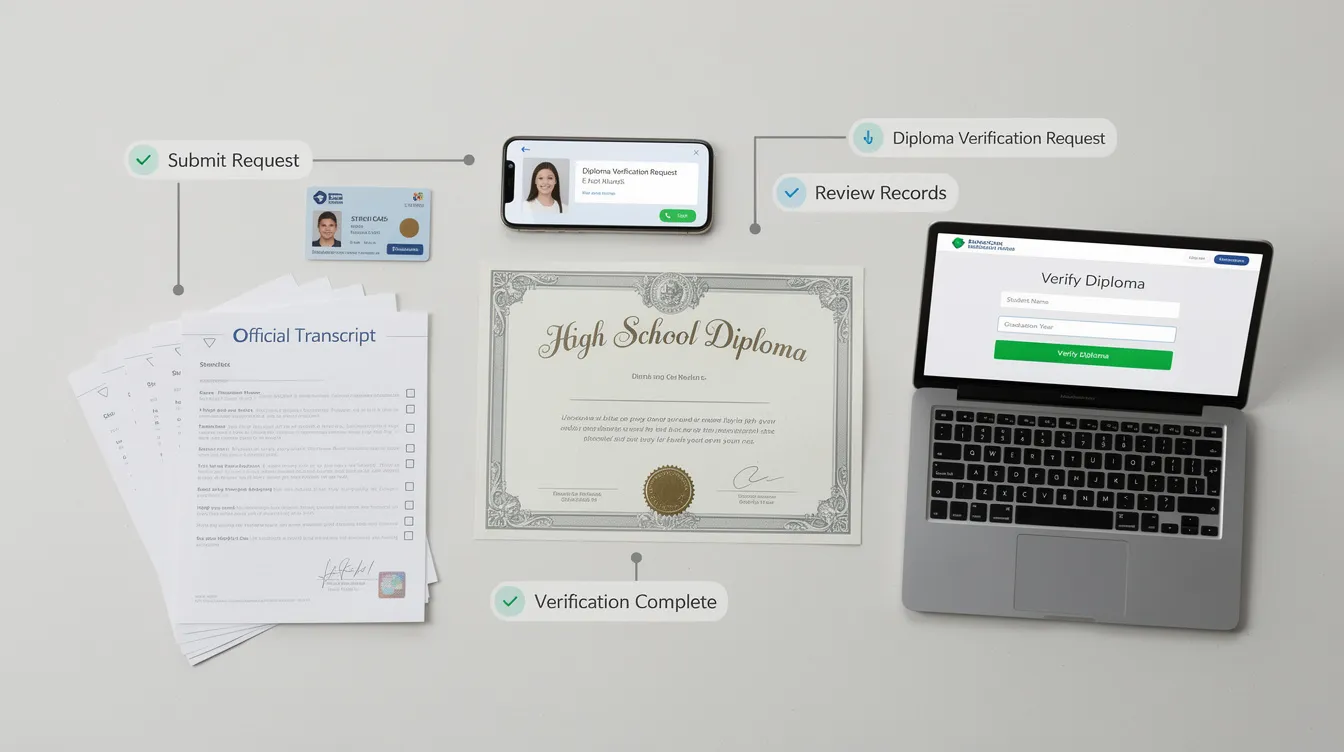
Employers increasingly verify high school diplomas to ensure candidates are qualified and trustworthy, to uphold the integrity of the hiring process, and to protect against resume fraud. In fact, surveys show that 50-60% of companies conduct education checks due to the high rate of resume inaccuracies—about 72% of applicants admit to some form of misrepresentation. For employers, verifying educational credentials is a key step in making informed hiring decisions and maintaining a reliable workforce.
Why Do Employers Check High School Diplomas?
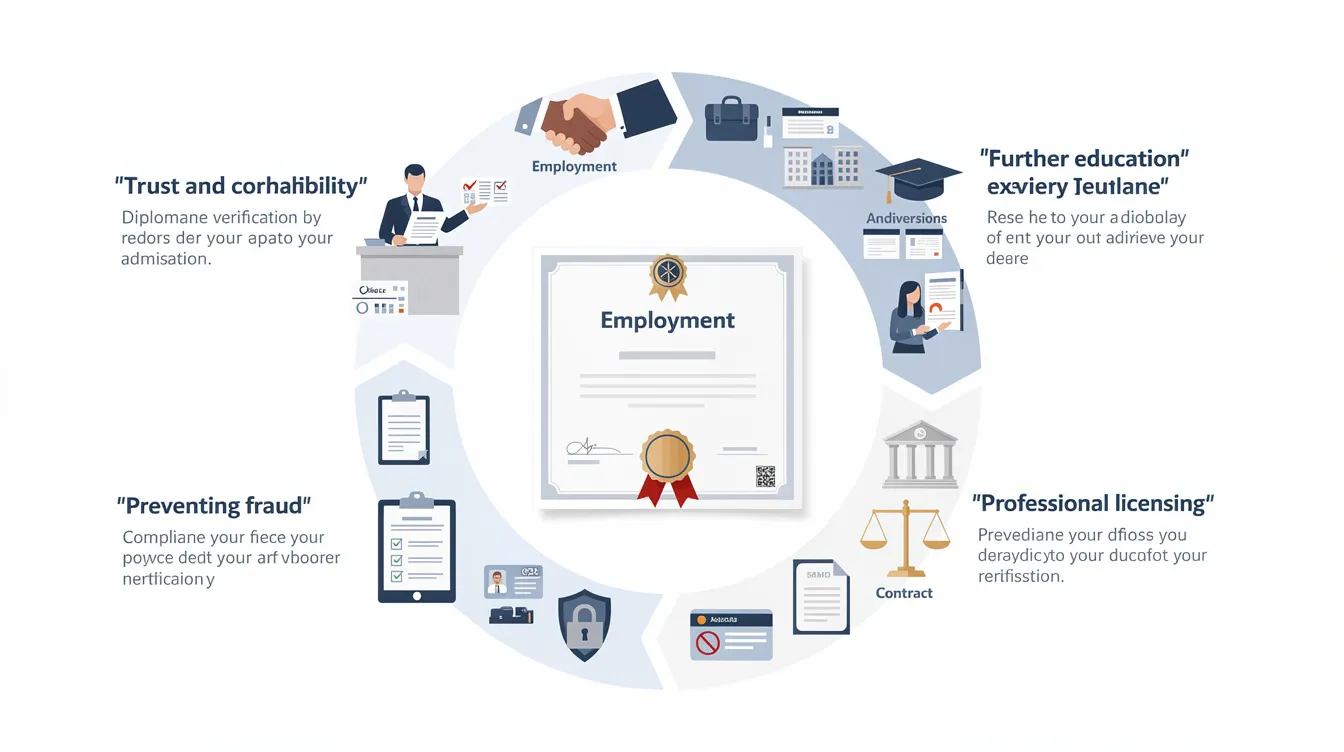
Employers check high school diplomas for several important reasons:
-
To confirm qualifications: Ensuring candidates meet the minimum education requirements for a position.
-
To prevent fraud: Verifying credentials helps protect against resume inaccuracies and misrepresentation.
-
To uphold hiring integrity: Maintaining a fair and trustworthy hiring process.
-
To comply with regulations: Some industries or contracts require proof of education.
-
To protect the organization: Avoiding legal or insurance issues related to unqualified employees.
A high school diploma check is a screening process where an employer or third-party service contacts the academic institution to confirm details such as the candidate's name, attendance dates, and diploma issuance. Verification checks typically confirm graduation status, institution name and accreditation, graduation date, and credential type, but do not include academic performance details such as grades or GPA.
7 Reasons Employers May Ask to See Your High School Diploma
Employers may request to see your high school diploma for a variety of reasons. Here are the top seven, ordered from the most general to the most specific:
-
Proof of Qualifications
-
Employers want to confirm you meet the minimum education requirements for the job. Having your diploma ready can save time during hiring or record updates.
-
-
Commitment
-
Earning a high school diploma demonstrates dedication and perseverance—qualities employers value highly in their workforce.
-
-
Transparency
-
Businesses often display employee credentials to win client trust. Some companies provide links to employee profiles with verified diplomas from trusted institutions.
-
-
Insurance Purposes
-
When switching insurance providers, employers may need to verify employee qualifications. Insurance companies may request official or unofficial high school transcripts to confirm educational backgrounds.
-
-
New Contract
-
New clients may require proof that all employees are fully trained and qualified before signing contracts. Employers may use third-party verification services to confirm your credentials.
-
-
Lawsuit
-
In legal disputes, employers may need to prove that staff are properly qualified. Background check companies may be engaged to verify the authenticity of diplomas and degrees.
-
-
Fire or Flood Damage
-
If paper records are lost due to fire or water damage, employers may ask employees to resubmit diplomas to rebuild their files. If the original school is closed, the school district may maintain necessary records.
-
Each of these reasons highlights the importance of keeping your diploma accessible, maintaining hard copies of your diploma or transcript, and being prepared to verify your educational background when requested.
Education Credentials and Verification
Why Employers Verify
Education credentials, such as a high school diploma or college degree, are a fundamental part of the hiring process for many employers. Verifying these credentials helps employers find the most qualified and trustworthy candidates, upholds the integrity of the hiring process, and protects against fraud. With a significant percentage of applicants admitting to resume inaccuracies, education verification is a critical safeguard.
What Information is Checked
A high school diploma check is a screening to verify a candidate's education by contacting the academic institution to confirm details such as the candidate's name, attendance dates, and diploma issuance. Verification checks typically confirm:
-
Graduation status
-
Institution name and accreditation
-
Graduation date
-
Credential type
It’s important to note that these checks do not include academic performance details such as grades or GPA.
Common Verification Methods
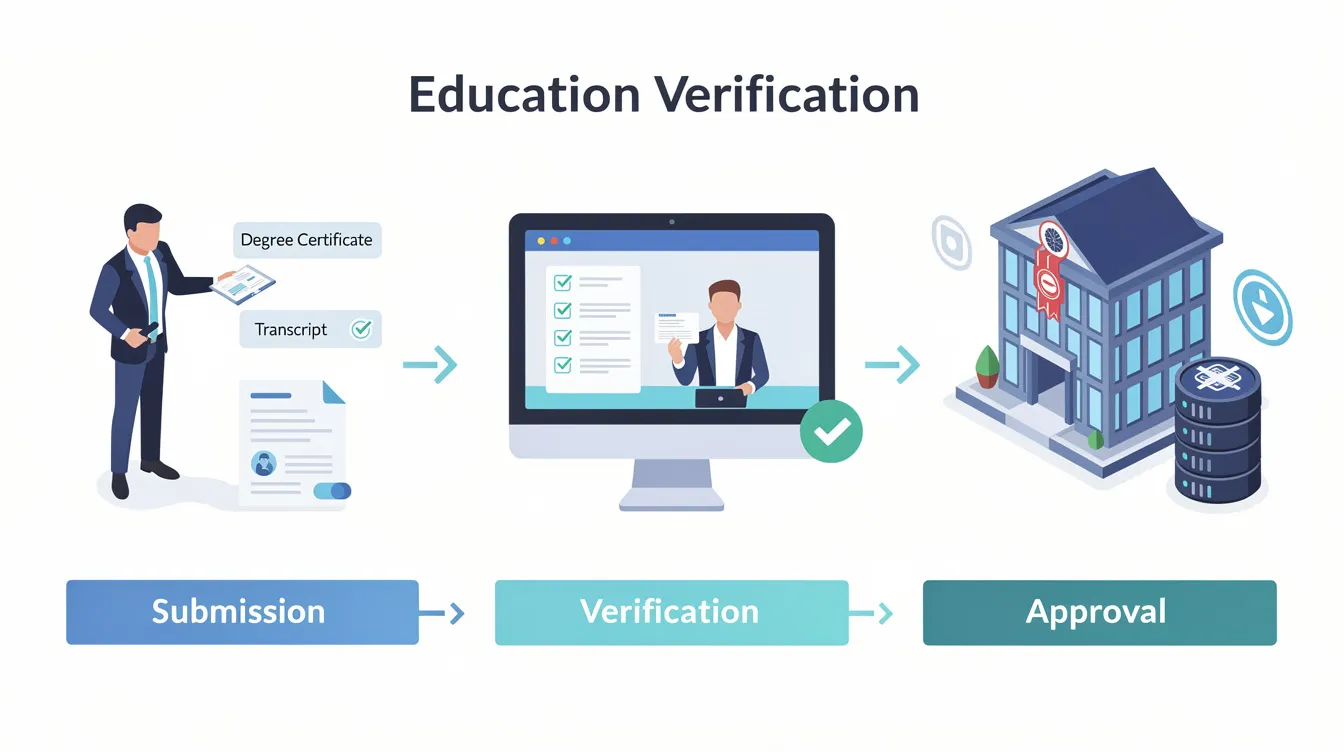
Employers typically verify high school diplomas by:
-
Contacting the high school registrar directly
-
Using trusted verification databases like the National Student Clearinghouse
These methods ensure that the information provided by the candidate matches official records and that the diploma is legitimate.
Another important aspect of verifying education is ensuring the legitimacy of the issuing institution, which brings us to the role of accreditation.
The Role of Accreditation
Why Accreditation Matters
Accreditation is a key factor in the education verification process. It assures employers that a candidate’s high school or college meets established standards of quality and legitimacy. When employers verify education credentials, they not only check for a diploma but also confirm that the issuing institution is accredited by a recognized accrediting agency.
How Employers Check Accreditation
To verify a school’s accreditation status, employers often consult official listings such as:
-
The Council for Higher Education Accreditation (CHEA)
-
The Distance Education Accrediting Commission (DEAC)
These resources provide up-to-date information on which schools are properly accredited, ensuring that the candidate’s degree or diploma is valid and relevant to the job requirements.
By including accreditation checks in the verification process, employers can confidently assess the legitimacy of a candidate’s educational background and make better hiring decisions.
Transitioning from accreditation, let’s look at how employers streamline the verification process using specialized services.
Education Verification Services
What Are Education Verification Services?
Education verification services play a vital role in helping employers confirm a candidate’s academic credentials during the hiring process. These services, often provided by consumer reporting agencies or specialized verification companies, use a variety of methods to verify a candidate’s graduation status, degree, and other educational background details.
How the Process Works
Verification services may:
-
Contact the school directly
-
Review official records such as transcripts and diplomas
-
Cross-reference information with trusted databases
By utilizing education verification services, employers can quickly identify potential red flags, such as fake diplomas, discrepancies in graduation dates, or inconsistencies in a candidate’s education history, often by streamlining how they get official high school transcripts.
Benefits for Employers
These services streamline the verification process, making it easier for HR teams to ensure compliance with relevant laws and regulations while reducing the risk of hiring unqualified candidates. Access to official records and thorough background checks help employers maintain high standards and protect their organizations from the risks associated with fraudulent academic credentials.
Now that you know how verification works, let’s discuss what to do if you need to provide your diploma but can’t find it.
How to Get a Copy of Your High School Diploma
Lost Diplomas
When your employer asks for a copy of your diploma, it may not be as easy as opening a drawer and taking it out. Many people lose their diplomas, hang them in their parent’s homes, damage them, and more. It’s often an inconvenience to find your diploma, especially as the years go by.
Ordering a Replacement
Fortunately, there’s an easy way to get a printable GED or replacement diploma. When you need a copy in a hurry, you can order one at Same Day Diplomas and we’ll send you a PDF of your diploma that you can print at your convenience. We can also post out copies with guaranteed delivery, and you can follow our guide on how to get a copy of your high school diploma replaced for a job.
Steps to order a replacement:
-
Visit the Same Day Diplomas website.
-
Select the type of diploma or transcript you need.
-
Provide your details and place your order.
-
Receive your PDF or printed copy with guaranteed delivery.
What a Replacement Includes
While a replacement diploma confirms you have graduated, it does not include information about the classes you completed, your coursework, or your academic performance.
If you don’t want your boss on your back about your diploma, it’s often a faster, more efficient, and hassle-free option.
With your replacement diploma in hand, you’ll be ready to respond quickly to employer requests.
High School Diploma in a Rush
If your boss is asking for your high school diploma, the odds are that the quicker you get it to him, the better. Whatever reason your employer has for asking for your diploma, keep in mind that diploma verification is often required for employment in specific positions, especially in the public sector, and may be part of a broader background check that includes credit history and criminal history.
Employers do not always verify all credentials in the same way; high school education is often verified differently depending on the job offer or position. When you provide your diploma, it’s one less thing on your to-do list. At Same Day Diplomas, we can help you to tick that off your list.
If you have any questions about how the process works, please feel free to contact us or use our live chat. Job seekers should be prepared to verify high school credentials as part of the application process.


